Quick answer
How do I get a flatbed truck driving job?
You need a Class A CDL, a clean driving record and, for most carriers, some verifiable experience, though a few train newer drivers on securement. Learn cargo securement rules, tarping and load planning. OTR Recruit matches flatbed, step deck and heavy haul drivers with carriers based on experience, equipment and home time, free of charge to the driver.
- Flatbed, step deck, lowboy and heavy haul
- Matched on your securement and tarping experience
- Regional and OTR open-deck options
- Recruiter call before any details are shared
- Always free for drivers
What flatbed drivers haul and how the job differs
Flatbed freight includes steel coils, lumber, building materials, pipe, machinery and construction equipment. Unlike a closed trailer, the load is your responsibility from the moment you strap it down. You will climb, tarp in heat and cold and check securement throughout the trip as federal cargo securement rules require.
That physical and technical demand is exactly why experienced flatbed drivers are valued. Many open-deck drivers like the variety and the satisfaction of a well-secured load.
Step deck, lowboy and heavy haul
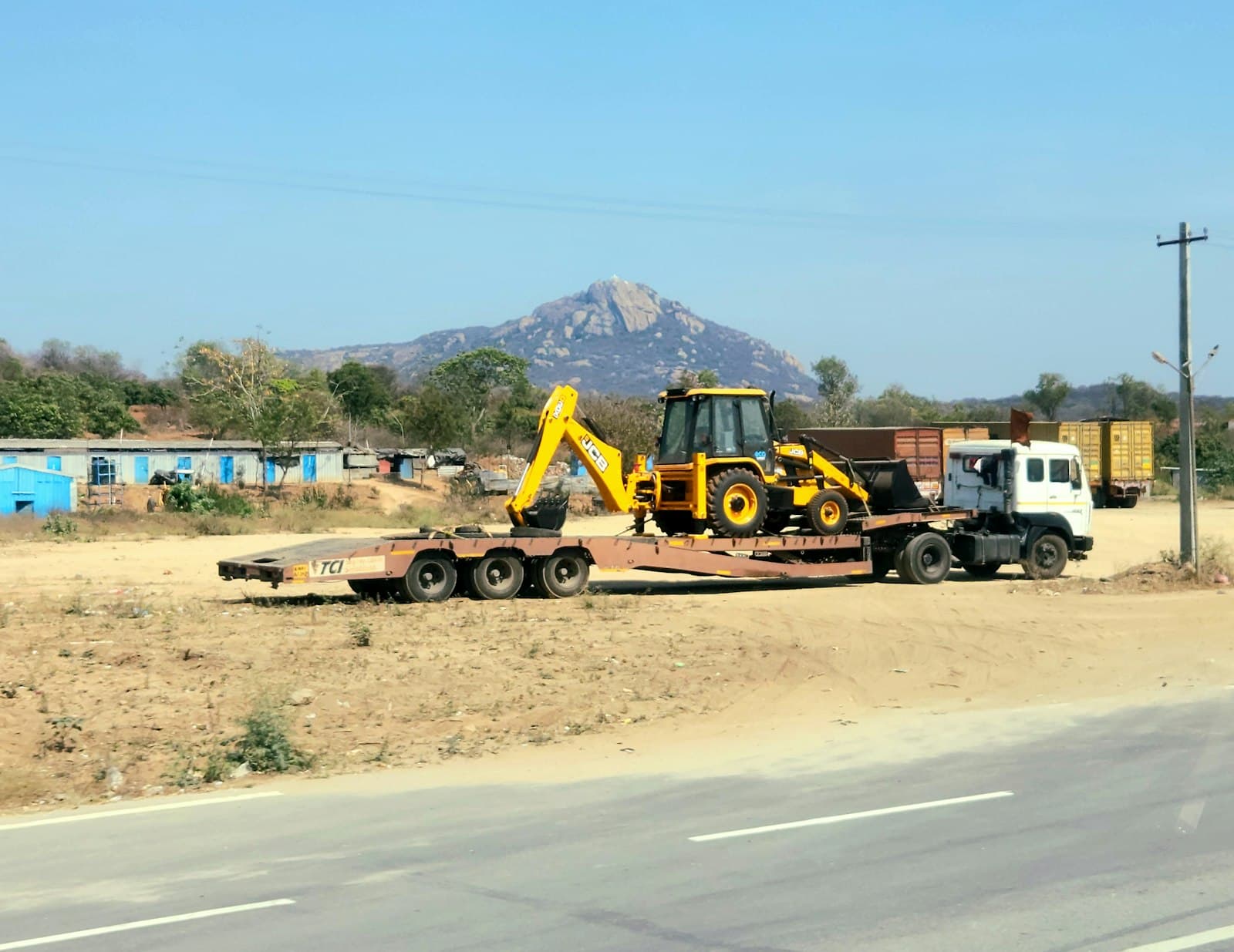
Step deck trailers have a lower rear deck for taller freight that would exceed height limits on a standard flatbed. Lowboy and heavy haul work moves oversize and overweight loads like excavators and transformers, often under state permits with route restrictions, escorts and travel-time limits.
Heavy haul usually requires several years of open-deck experience and careful trip planning. Tell us which trailers you have actually pulled so we can match you honestly.
- Flatbed: general open-deck freight, frequent tarping
- Step deck: taller loads, ramps for rolling equipment
- Lowboy / heavy haul: oversize permits, specialized rigging
Standing out as a flatbed applicant
Carriers want to know you can secure a load correctly and safely. Highlight the commodities you have hauled, whether you are comfortable with chains and binders, coil racks and tarps, and any cargo claims-free history. A clean MVR and verified references go a long way, and our screening confirms both before you are presented.
If you have no open-deck experience yet, some carriers train drivers on securement. Building time in dry van truck driver jobs first is another common path.
Get matched with flatbed carriers
On your one-time driver application, select flatbed, step deck or heavy haul and list your experience level and home-time needs. We look for carriers that offer tarp pay, quality securement equipment and lanes that fit. Want weekly home time on open deck? Mention it, and compare our regional CDL driver jobs page for context.